SERMORELIN COMPOUND // REGULATORY STATUS
Sermorelin FDA Approval Status, Withdrawal, and 503A Compounding
The regulatory record as a state machine: approved as a branded GHRH(1-29) drug, withdrawn from the US market in 2008 for commercial reasons, now a Category 1 bulk substance under 503A.
The short version
Here is the sermorelin FDA approval status without the myths. Sermorelin was a real US-approved prescription drug, sold under a brand name, approved to evaluate and treat growth hormone deficiency in children. In 2008 the maker pulled it from the US market — for business reasons, not because it was unsafe or didn't work. Today it is not a marketed FDA-approved finished drug; it is prepared by compounding pharmacies (a pharmacy making a customized medication). FDA treats it as a "Category 1" bulk ingredient under a compounding policy, meaning FDA does not currently intend enforcement action against compounding it. It is not a scheduled/controlled substance, but it is banned in competitive sport.
Is sermorelin FDA approved?
Sermorelin acetate was previously FDA-approved (NDA 020443) for idiopathic growth hormone deficiency / short stature in children, and was withdrawn from the US market in 2008 for commercial reasons — not safety or efficacy [7]. It is not a currently-marketed FDA-approved finished drug; it is now prepared by compounding pharmacies. The accurate phrasing is "formerly FDA-approved, now compounded." It is neither "currently FDA-approved" nor "never approved" — both of those are common misstatements.
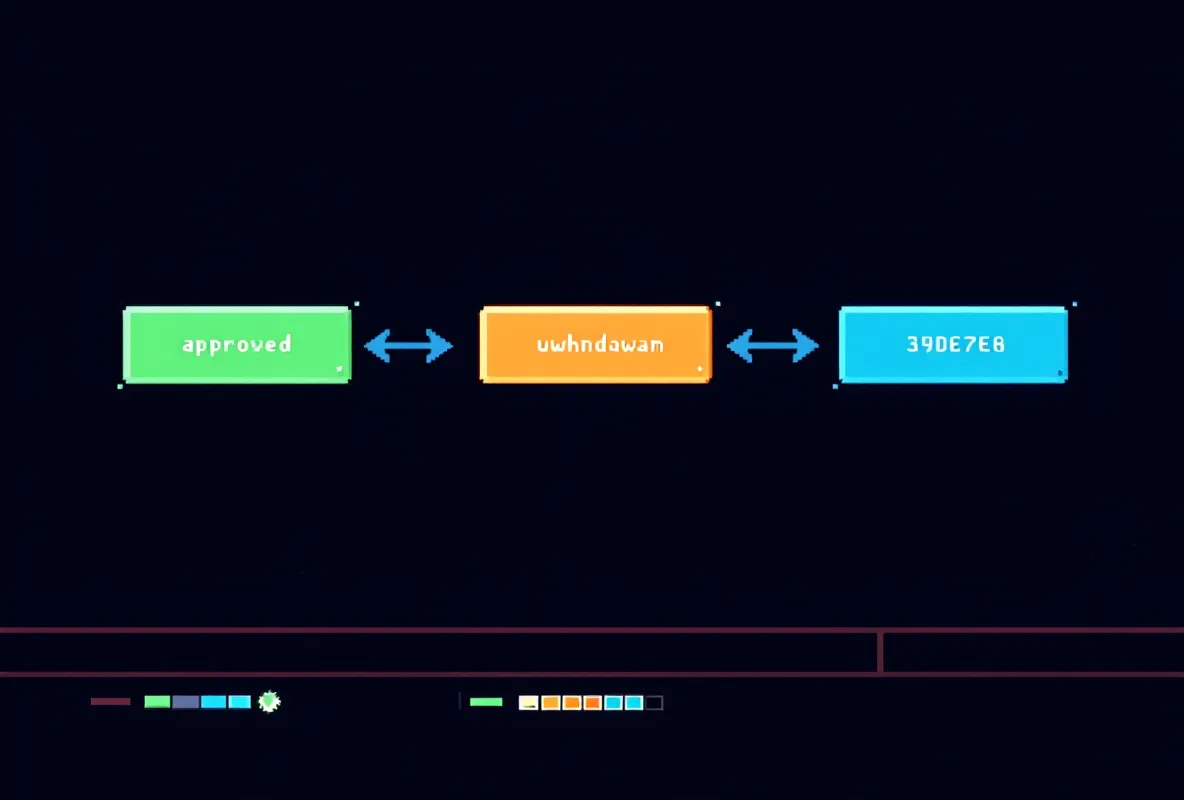
The approval, in the record
The branded sermorelin product carried NDA 020443 and was approved for the evaluation and treatment of growth hormone deficiency and short stature in children. The pediatric efficacy basis is in the published trial record: once-daily subcutaneous GHRH(1-29) accelerated first-year height velocity from about 4.1 cm/year to roughly 7-8 cm/year, without excessive IGF-1 generation [1]. Sermorelin was also used historically as a diagnostic agent — a GHRH stimulation test probing the pituitary's capacity to release growth hormone.
The distinction worth keeping is between an approval that was withdrawn and an approval that never existed. Sermorelin had a US marketing approval. That approval was surrendered in 2008. Both halves of that sentence are true, and most popular summaries get one or the other wrong.
Why was the branded sermorelin product discontinued?
The branded sermorelin product (NDA 020443) was withdrawn from the US market in 2008 for commercial reasons rather than any safety or efficacy concern [7]. A 2009 clinical review documented the resulting absence of recombinant GHRH in the United States and walked through the diagnostic consequences — including a discussion of glucagon testing as an alternative for evaluating adult growth hormone deficiency once GHRH was no longer available [7]. The withdrawal removed a product from the shelf; it did not flag a drug as dangerous. This is why the branded product was withdrawn, stated plainly.
Is sermorelin legal?
Sermorelin is not a controlled substance under the Controlled Substances Act. It is treated as a long-standing Category 1 bulk drug substance under FDA's interim Section 503A compounding policy, finalized in January 2025, against which FDA does not intend enforcement action [13]. It is prohibited in sport by WADA as a growth hormone secretagogue (category S2), and dedicated detection methods for GHRH analogs have been developed. "Legal status" therefore has three separate answers — scheduling, compounding, and anti-doping — and they do not all point the same way.
The 503A compounding status, in context
Sermorelin's 503A compounding status is specific and time-sensitive. Section 503A of the FD&C Act governs the preparation of customized medications by a licensed pharmacy for an individual patient, and FDA's interim policy on compounding with bulk drug substances (final guidance January 2025, replacing the 2017 guidance) sorts substances into categories [13]. Sermorelin is treated as a long-standing Category 1 substance — those against which FDA does not intend to take enforcement action while its evaluation continues.
This should not be conflated with other GH-axis peptides. Several compounds in the same conversation — for example ipamorelin, ibutamoren, and kisspeptin-10 — were reviewed by the Pharmacy Compounding Advisory Committee in October 2024 and sit in a different regulatory posture. Sermorelin's Category 1 footing is its own situation, and conflating the two is one of the most common errors in popular coverage. A 2025 Nature Reviews Endocrinology review synthesizes the broader GHRH-analog landscape these regulatory categories sit on top of [11], and a 2026 review of therapeutic peptides notes that, alongside rigorously approved peptide drugs, novel unapproved compounds have emerged that require further study before safe human use [15].
Doping status: prohibited in sport
One more line of the record matters for athletes. Growth hormone secretagogues, including GHRH and its analogs, appear on the WADA Prohibited List under hormone and metabolic modulators (category S2), and the prohibition is not limited to competition windows. Dedicated detection methods for GHRH analogs have been developed, including LC-MS/MS assays, so the prohibition is enforceable rather than nominal. A 2026 sports-medicine review found GH-axis secretagogues remain investigational with uncertain safety profiles and widespread antidoping restrictions, recommending clinical use be confined to approved metabolic agents and rigorous research protocols [16]. The doping status is independent of the FDA and DEA answers: a substance can be uncontrolled and compoundable yet still banned in sport.
What 'formerly approved, now compounded' does and does not mean
The phrase that fits the record is "formerly FDA-approved GHRH analog, now compounded." That carries three facts at once: there was a genuine US marketing approval; it was surrendered in 2008 for commercial reasons; and the molecule now reaches patients through compounding rather than as a branded finished drug. It does not mean the compound was banned, that it failed in trials, or that it is currently FDA-approved in any finished form. A 2026 review of therapeutic peptides in metabolic and endocrine conditions makes the general point plainly: alongside rigorously approved peptide drugs, a wave of novel unapproved compounds has emerged that still require study before safe human use [15]. Sermorelin sits in a particular spot in that landscape — once approved, withdrawn for business reasons, and now compounded under a Category 1 designation — and the value of stating it precisely is that nearly every casual summary gets at least one element wrong.